Home › Guides & Blog › Winter Horse Care Checklist
Winter Horse Care Checklist: Barn & Pasture Supplies to Buy Before the Cold
What to have on hand before freezing weather — water that stays open, hay and feeding gear, blankets if your horse needs one, safe footing, fence checks, a first-aid kit, and local vets, farriers and feed stores.
Disclosure: This guide contains affiliate links. If you buy through them, ITS-ALL-HERE may earn a commission at no extra cost to you. We don't list prices because they change often; tap a link to see the current price on the seller's site. Learn more.
Winter is hard on horse owners mostly because of a few things: water freezes, hay goes faster, footing gets slick, and everything is harder to fix when it's dark at five o'clock and the wind is blowing. The good news is that most winter trouble can be headed off with a little shopping and a walk around the barn before the first hard freeze. This checklist covers the supplies worth having on hand and what to look for when you buy them. It's a shopping guide, not veterinary advice, so for anything about your own horse's health, feed or weight, talk with your vet. When you need local help, our 📍 Equine locator searches equine vets, farriers, feed stores and boarding stables by city or ZIP.
1. Keep the water open
If there's one thing to get right in winter, it's water. Horses often drink less when water is ice-cold or frozen over, and breaking ice by hand twice a day gets old fast. There are two common ways to keep water open:
- Tank de-icers float in or sink to the bottom of a stock tank and keep a section from freezing. Check whether a model is meant for plastic or metal tanks, and look for a guard so horses can't chew or play with it.
- Heated buckets or automatic waterers make sense in stalls or small paddocks. Automatic waterers need a proper water line and, in cold climates, a heated or freeze-resistant design.
Either way, plan the power side carefully. Use outdoor-rated outlets with ground-fault protection, keep cords where horses can't reach or chew them, and follow the maker's installation guide. Check the water every day anyway, because heaters and thermostats can fail without warning.
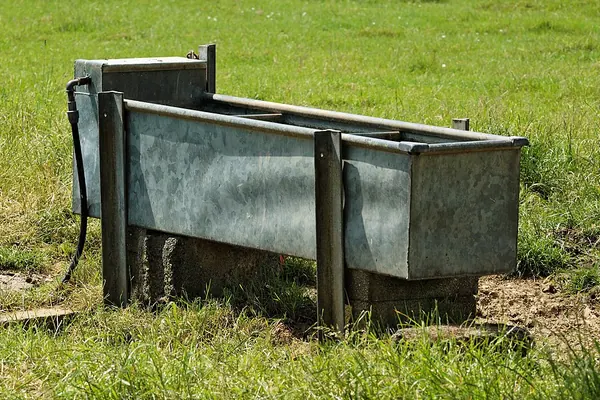
Automatic Waterers & Tank De-Icers
Automatic waterers and heated tank de-icers so horses keep drinking through hot days and freezing nights.
Read the label for tank type (plastic or metal) and for the cord guard before you buy.
Flat-Back Feed & Water Buckets
Flat-back buckets that hang flush on stall walls for feed and water, plus hooks and snaps.
Flat-back buckets hang flush on the wall; keep a spare or two for when one cracks in the cold.
2. Stock up on hay and feeding gear
Horses usually eat more hay in cold weather, and the time you most need hay is the time it's hardest to get delivered. Many owners line up their winter supply in the fall and store it dry, off the ground on pallets, with air moving around it. Ask your feed store early whether they can hold or deliver hay through the winter.
Slow-feed hay nets can stretch out mealtime and cut down on hay trampled into the mud or snow. Hang them at a safe height and check them for holes, since a horse can get a hoof caught in a net that hangs too low. If you add or change grain, hay cubes or supplements for winter, make that call with your vet or an equine nutritionist rather than guessing.
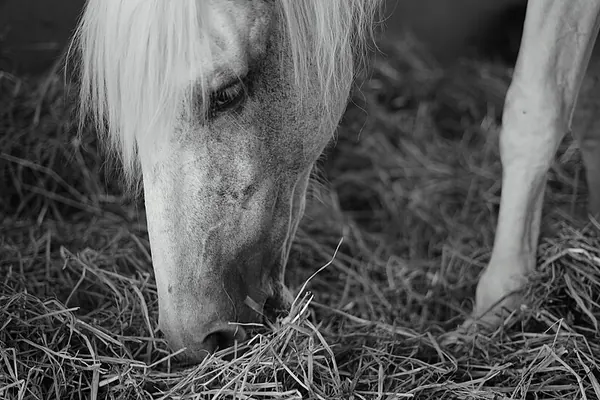
Horse Treats & Slow-Feed Hay Nets
Horse treats for training rewards and slow-feed hay nets that stretch out mealtime and cut waste.
Check the hole size and hang height on the product page and follow the maker's directions.
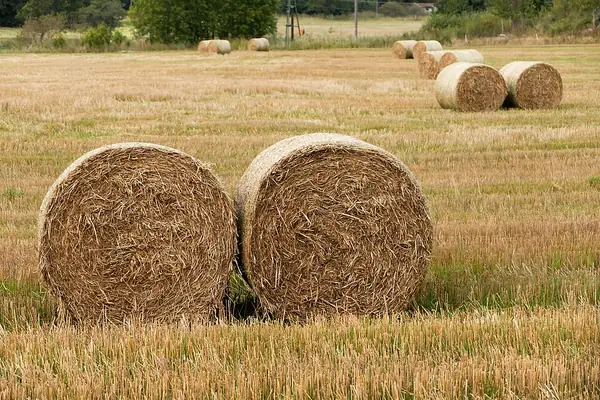
Horse Feed, Grain & Hay Cubes
Bagged horse feeds, textured grains and hay cubes. Match the feed to your horse's age, workload and your vet or nutritionist's advice.
Change feeds gradually and match them to your horse with your vet's or nutritionist's advice.
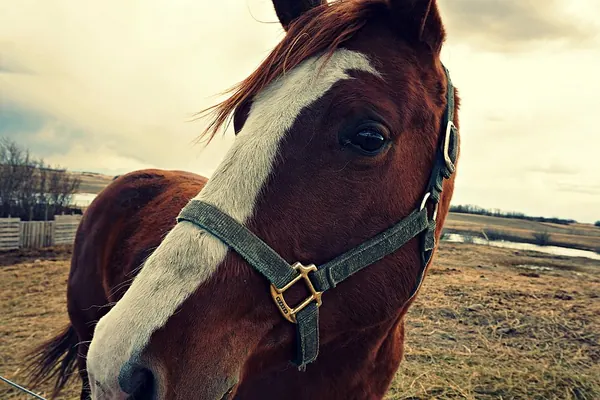
Salt & Mineral Blocks for Horses
Plain and mineral salt blocks or Himalayan rock salt on a rope for pasture and stall.
A salt block in the stall or pasture is an easy item to forget until it's gone.
Horse Feed & Barn Supplies on eBay
Feeders, buckets, fly masks and barn supplies — new and used. Check shipping weight before you buy heavy items.
eBay can be handy for feeders, buckets and barn supplies; check the shipping weight on heavy items.
3. Blankets and sheets, if your horse needs them
Not every horse needs a blanket. Many horses with a full winter coat, shelter from the wind and plenty of hay do fine without one. Horses that are clipped, older, thin, or used to a warmer climate are more likely to need help. Your vet can help you decide for your own horse.
If you do buy one, measure your horse first. Blanket sizes are usually based on a measurement from the center of the chest, along the side, to the back of the hindquarters, but check each brand's size chart. Look for a waterproof, breathable outer shell for turnout, leg straps or a tail flap that stay put, and buckles you can work with cold fingers or gloves. A blanket that's wet underneath or rubs the shoulders does more harm than good, so check under it often.
Turnout blankets on eBay → See options on Amazon →
4. Safe footing in the barn and at the gate
Ice around the barn door, the water tank and the gate is where both people and horses slip. Rubber stall mats give better footing and a little cushion in the stall and make cleaning easier. Outside, a scoop of sand or stall-safe grit on icy paths helps. Before using any ice melt where horses walk or could lick it, read the label for whether it's meant for areas with animals. And keep a good manure fork handy, because frozen manure piles turn into ankle-turners.
Stall Mats & Stall Forks
Rubber stall mats and manure forks for easier stall cleaning and better footing.
Mats are heavy, so check the dimensions and shipping weight before you order.
For your own footing, boots with real grip or a pair of ice cleats make chores a lot safer. You'll find those in our Lawn, Snow & Small-Engine Repair section, and warm work gloves and layers in 🧥 Winter Clothing.
5. Walk the fence line
Snow loads, ice and falling branches can sag fence tape and short out an electric fence. Before winter, walk the line, tighten tape, replace cracked insulators and test the charger. Keep a spare roll of tape and a handful of insulators in the barn so a repair doesn't wait for a store run. Follow local codes and the charger maker's instructions for grounding, which matters even more in frozen, dry ground.
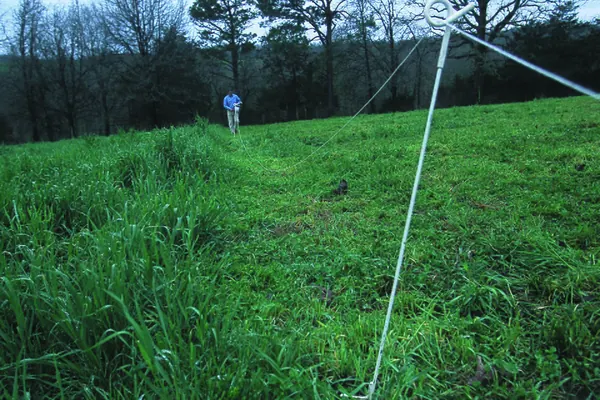
Electric Fence Chargers & Horse Fence Tape
Fence chargers, polytape and insulators for safe horse paddocks. Follow local codes and the maker's install guide.
Keep spares on the shelf; winter is a bad time to wait on shipping.
6. First-aid kit and the phone numbers you'll need
Put together an equine first-aid kit, or check the one you have, before the weather turns. Replace anything expired, and keep it somewhere you can find it in the dark, along with a headlamp. Tape your vet's number, an after-hours or emergency number, and your farrier's number inside the barn door and save them in your phone. If you don't have a regular vet or farrier yet, now is the time to find one. Our Equine locator searches equine vets and farriers near you. Ask your vet what they'd like you to keep in your kit and when to call them.
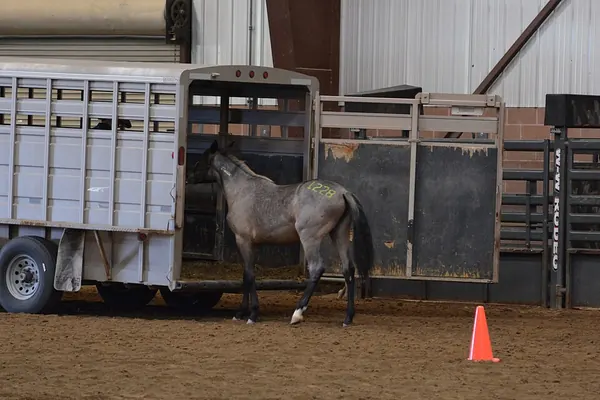
Horse Trailer Ties & Equine First-Aid Kits
Trailer ties, cross-ties and equine first-aid kits for travel days and barn emergencies.
Check the contents list and expiration dates, and add anything your vet recommends.
7. Grooming and hoof checks
A thick winter coat can hide rubs, cuts and weight changes, so run your hands over your horse regularly instead of just looking. Pick out hooves often, since snow can pack into hard balls in the hoof and mud can hide problems. Your farrier can tell you whether your horse's shoeing or trim schedule should change for winter.
Horse Grooming Kits & Hoof Picks
Curry combs, brushes, hoof picks and grooming totes for daily barn care.
A curry comb and hoof pick make the daily hands-on check quick.
A quick winter horse care checklist
- Install and test a tank de-icer, heated bucket or waterer, and check water every day.
- Line up your winter hay early and store it dry and off the ground.
- Have slow-feed hay nets, spare buckets and a salt block on hand.
- Decide with your vet whether your horse needs a blanket, and measure before you buy.
- Lay stall mats and keep grit or animal-safe ice melt for slick spots.
- Walk and test the electric fence; keep spare tape and insulators.
- Restock the first-aid kit and post your vet, emergency and farrier numbers.
- Do hands-on coat and hoof checks through the winter.
The bottom line
Most winter horse care comes down to open water, plenty of hay, safe footing and being ready before something breaks. Buy the de-icer, the spare buckets and the fence tape now, while it's easy, and keep your vet and farrier on speed dial. Browse tack, feed and barn gear in our 🐴 Equine section, and use the locator there to find vets, farriers and feed stores near you.
More from Guides & Blog
- Road Trip & RV Essentials Checklist: What to Buy Before Your First Trip
- Snow Blower Buying Guide: Single-Stage vs. Two-Stage, Gas vs. Battery
- Used Car & Pickup Truck Buying Checklist: What to Check Before You Buy
- Pet Care Essentials: A Buying Guide for Dog and Cat Owners
- Kitchen Essentials: Countertop Appliances and Tools Worth Owning
- Online Privacy Basics: VPNs, Password Managers and a Safer Smart Home
- How to Choose a Racing or Motorcycle Helmet
- Home Workout Essentials: How to Build a Simple Home Gym
- Carry-On & Flight Day Essentials: Pack Smarter for Any Trip